

Interlocking Gallery
$$MultiPurposeText$$
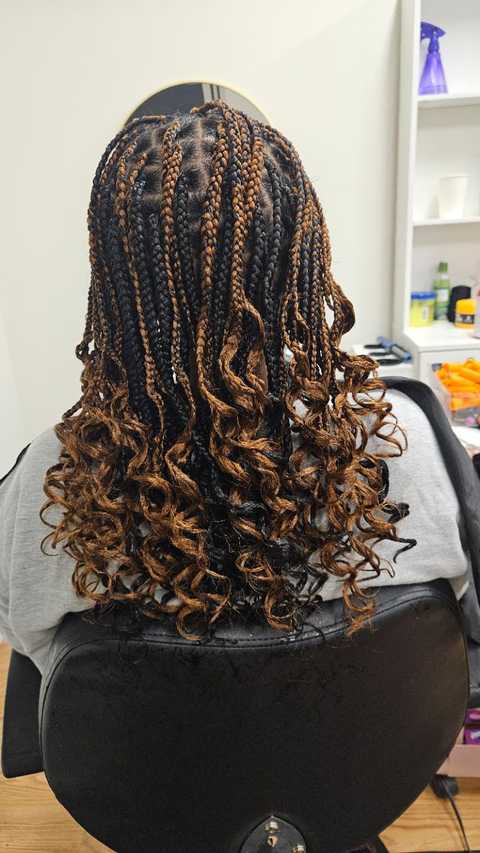
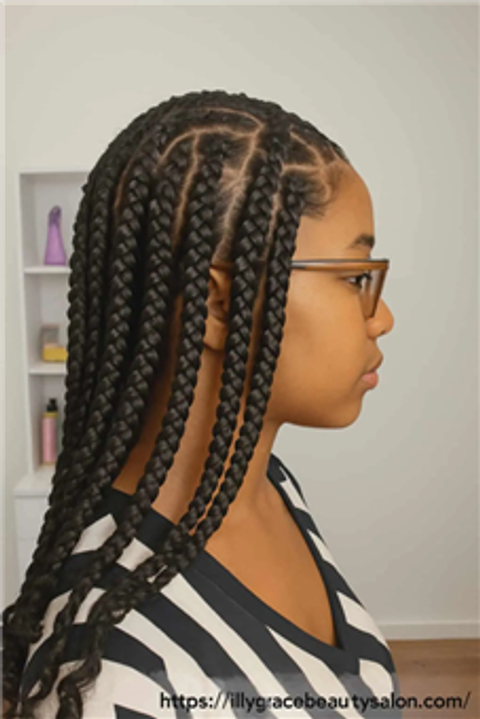
See examples of our Interlocking work and results.



What Our Clients Say
$$MultiPurposeText$$
Read testimonials from our satisfied customers

I went to lily this morning for my box braids
And i love every bit of my hair she is so sw...more

Very nice, clean and professional. I would highly recommend! And of course my hair is cute...more

Caring and thoughtful service! Lily went out of her way to ensure I was comfortable and ha...more

Lily is the beast hair staylest .hambleb, l like my braid so beautiful.

Lilly braided me and my son’s hair. My son did not complain once while she was doing his h...more

What a lovely, sunlit, quiet salon and a just as lovely owner! First time client today and...more

Frequently Asked Questions
Get answers to common questions about Interlocking.
Most clients return every four to eight weeks depending on hair growth, scalp condition, and desired neatness. New or soft locs may need more frequent attention; mature, firmer locs can go longer. Your stylist will suggest a personalized maintenance schedule.
Interlocking is safe when performed with appropriate tension by experienced stylists. Excessive tightness can stress roots and cause breakage or soreness. We assess your hair type and adjust technique to minimize tension, recommending gentler intervals or alternative methods if needed.
Yes, interlocking is commonly used to encourage formation on starter locs and can secure extensions when appropriate. Timing and technique differ: starters benefit from careful looping to shape growth, while extensions require attachment expertise to avoid slippage or stress on natural hair.
Session time varies with loc size, density, and condition. For a full head of medium locs expect two to four hours. New growth, repair work, or intricate parting may extend time. Your stylist estimates duration during consultation and booking.
Interlocking preserves length while tightening roots, so overall length is minimally affected. It provides cleaner parts for versatile styling, though very tight interlocks might reduce flexibility temporarily. Discuss desired looks with your stylist so we balance neatness and styling freedom.
Avoid heavy manipulation for several days, keep scalp clean and moisturized with light, residue-free products, and sleep with a satin scarf. Wash gently between sessions and follow your stylist's recommended interval. Promptly report soreness or looseness for touch-ups.